January 2026 brought South Africa’s Kruger National Park and surrounds some of the heaviest rainfall in living memory. A low-pressure system brought up to 400 mm of rain in a few days, close to what the region typically sees in an entire year.
The floods were a force to be reckoned with. Across the park, teams responded to the test through interconnectedness and human instinct, supporting one another in times of need.
Resilience through Ubuntu
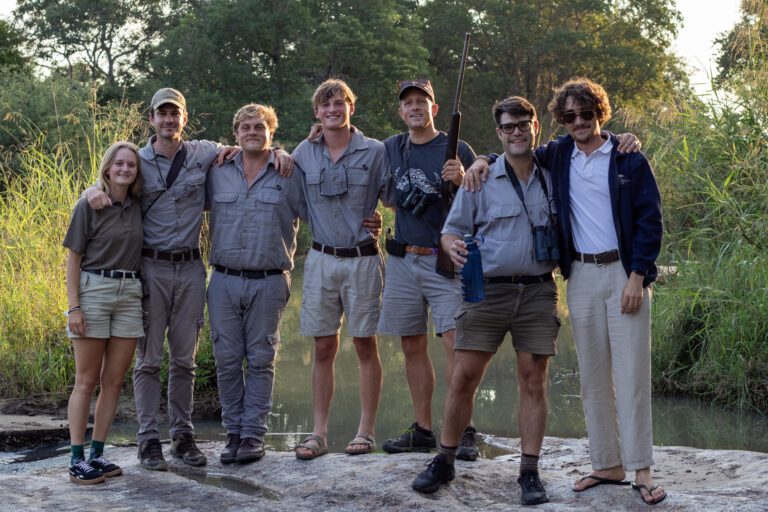
For Anton Lategan, Managing Director of EcoTraining, his team and students, preparation began at ground level before the first raindrops fell. “As teachers and trainers of nature, we have to listen to the early warning signs,” he says. “We rely on modern communication as well as the ancient language, where animals tell us what is coming. When the shongololos (millipedes) climb the trees, and the frogs start talking, we know the heavy rains are coming. We practise ecological literacy.”
“The first priority remains safety. This is achieved by ensuring people have reliable access to food, water, and shelter – basic needs that link all humanity,” he continues. “Once those are secured, only then can communities and conservation operations even begin to look to the future.”
During the worst of the floods, the region was awash with quiet heroism, including neighbours offering shelter and pilots risking treacherous conditions to move supplies and people to safety where needed. It is important to understand that being prepared and adjusting in advance is key. At times, staying in a secure, high and dry position is the best strategy. In Lategan’s view and experience, sympathy and empathy alone are not enough; action rooted in experience and community is essential. “Over many seasons in Africa, people collaborate as a functioning ecosystem,” he says.
Nature’s adaptation playbook
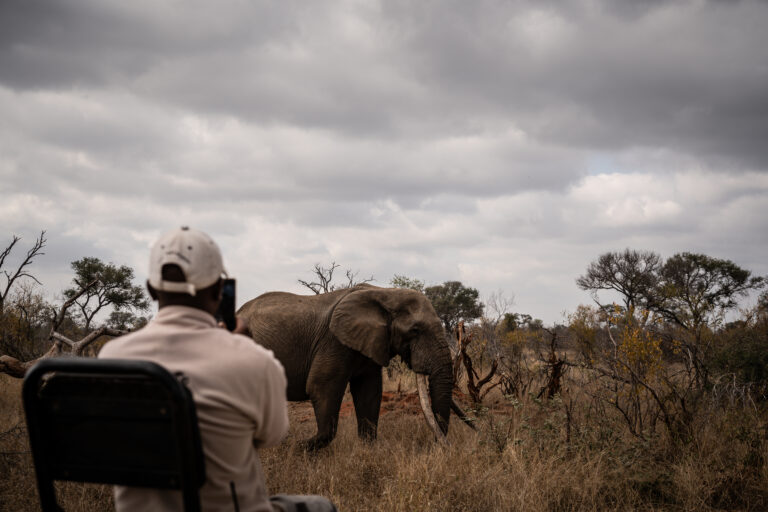
Concerns about wildlife safety quickly made headlines, but Kruger’s wild residents showed their resilience. According to park spokesperson Reynold Thakhuli, “Animals are highly intuitive and move to higher ground during severe weather, avoiding fast-flowing rivers and flooded areas.” Animals, he adds, “continue feeding even when it is raining… it is business as usual for them.”
Lategan notes, “After a flood or drought or even fire, nature rebuilds from the ground upwards. The ancient processes of ecological succession are triggered. Pioneer species return to the fertile wet soil, followed by generations of more complex life. Climax species, such as giant fig trees, hold the soil together and give a foothold to their natural fellows. Floods are setbacks, but they’re also nature’s reset and are fundamental to ecosystem health.” For EcoTraining guides and students, witnessing the return of life places textbook ecology into vivid reality.
Lessons that transcend the floodplain
For the safari and conservation sectors, as for local communities, the floods were a stark reminder that adaptability and ecological understanding are essential skills. Professionals and learners adapted to changing conditions, re-routing supplies, ensuring people, like animals, found safe ground, and supporting families whose entire livelihoods were threatened.
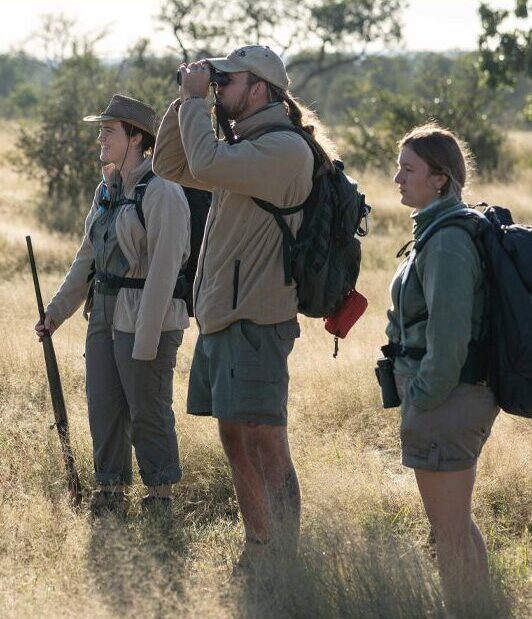
The guiding profession, so often associated with peaceful game drives and sightings, became about risk assessment and, above all, empathy. Lategan reflects, “A great guide is someone who reads the land, makes wise decisions, and leads with calm. Leadership, in these moments, is a guardian role. It is symbolic: helping move people from risk to safety in good time, and teaching others to do the same.”
This is, he adds, the training with integrity that requires real field-based learning, which creates not just competent guides but resilient, responsible citizens, wherever they work. It’s a message applicable far beyond conservation and one that speaks to the power of on-the-ground experience when theory meets reality.
Human and systemic lessons for the future
The floods also shine a light on long-standing challenges. Are early warning and communication systems robust enough for communities and schools? Are investments in ecological infrastructure (for example, flood-resilient roads and bridges) keeping pace with significant climate risks? What responsibilities do parks and private partners share beyond their fences?
The answers, says Lategan, will determine how society (rural and urban, South African and global) weathers not just the next storm, but the decades ahead. “The future of society, especially in a time of extreme climate challenges, lies in ecological intelligence,” he explains. “Not just in technology and efficiencies, but in reading the land, and reconnecting with nature’s recovery plans. It’s time for the engineers to listen to the ecologists, for the economists to understand ecology and for authorities to practise ecological literacy.”
Learning, responding, recovering
With weather still unpredictable, immediate recovery continues, from clearing park access roads to sheltering the displaced. However, by looking to both nature’s own resilience and the power of collective human action, there is hope for more sustainable futures.
The 2026 Kruger floods are a story of nature’s might, yes, but also of learning and, in the face of it, empathy, partnership, and leadership. If there is a lesson for the world, it’s this: in wild places, as in society, recovery is never solitary. It is shared, adaptive, and, ultimately, generative – as long as we choose to act together.
A FGASA and CATHSSETA-qualified guiding course.
Immerse yourself in the African wilderness, expand your knowledge, and embark on a transformative learning experience with EcoTraining.
Sign up for one of our Career Courses today!
For more information on our Career Courses, contact [email protected] or call +27 (0)13 7522532
Living in Harmony with Nature
We join the Managing Director of EcoTraining, Anton Lategan, in celebration of Earth Day. This day recognises a collective responsibility to promote harmony with nature and the Earth’s ecosystems. Preserving ecosystems starts with each and every person and is their responsibility. “At EcoTraining, we focus on teaching our students the importance of protecting nature and why it is that we need to live in harmony with the environment and wildlife. It is crucial to understand that humans, animals, and nature all form part of the same ecosystem. If one link is missing, the ecosystem will fall apart – at the end of the day, it is all about interrelatedness,” Anton Lategan. Restoring damaged ecosystems can make a significant difference to some of the most serious challenges countries across the world are facing, ranging from poverty to climate change.