There are many great, wild places out there. But only some that really touch you. That captivated you. That makes returning feel like homecoming – even when you have never been there before.
Is it the people? (yes). Is it the wildlife? (yes) Is it the land and its rich history? (yes). It’s all of these things, and yet, when I think about Makuleke, it’s mostly a special feeling that makes my heart ache to get back to that place.
“Its unique landscape feels like it’s scripted by a gifted fantasy author, with grotesquely beautiful flora and abundant fauna that keeps you in awe”, one of my friends put it, when I asked him what made Makuleke so special. The wilderness, the “remoteness from real life,” another one agreed.
Biodiversity at its best
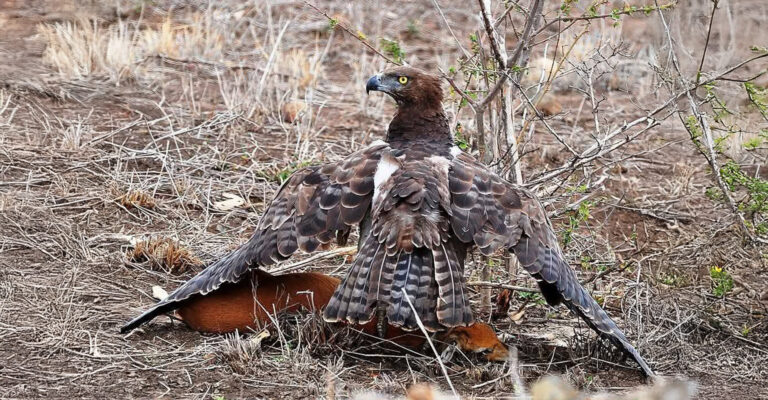
One thing that is definitely unique about this place is its biodiversity; the area alone holds about 80% of the Kruger National Park’s biodiversity.
There are proper forests (like the fever tree and the jackal berry forest), there are open flood plains – depending on the time of the year, filled with water or dry enough to walk there through the sporobolus, there are gorges (like the famous Laner gorge but also Huthwini or Milkwood gorge, some of the wildest places I ever walked in). There are rivers – the Limpopo and the Luvuvhu (which you can sometimes even walk in, depending on the water level). There are areas that look like you are in Botswana (Nambi pans) and pans that – in summer – hold the most stunning bird life (as Banyini pan).
Perfect for trails and birding
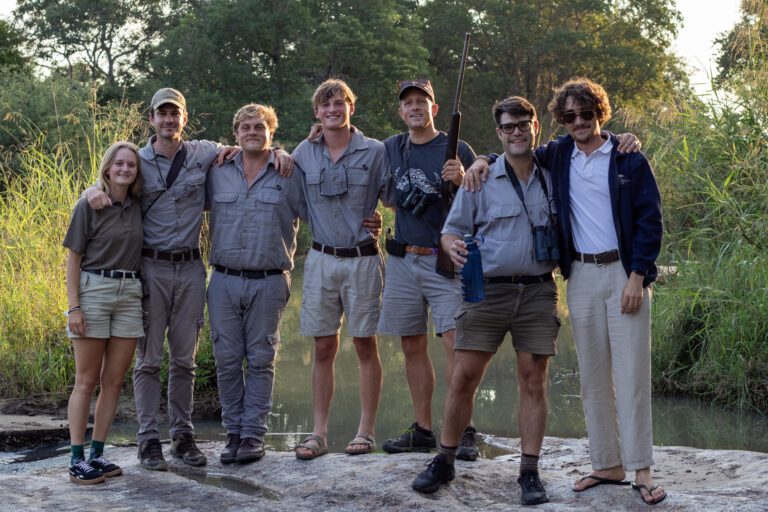
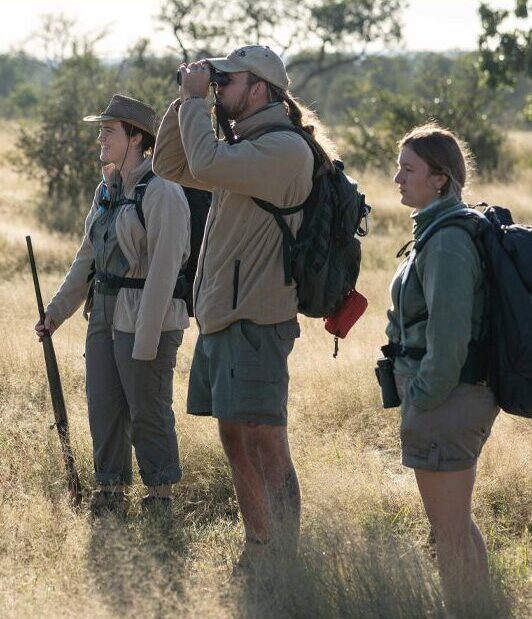
My favorite way to discover Makuleke is on foot. By now, I have probably walked through most of the concession, and yet every single walk feels special. Because it’s truly wild out there – and you never know what you’ll encounter (well, the chances for elephants and buffalo are pretty high). Therefore, it’s popular for trail courses up here, not only because it’s fun, but you’ll also learn to walk in a lot of different terrain.
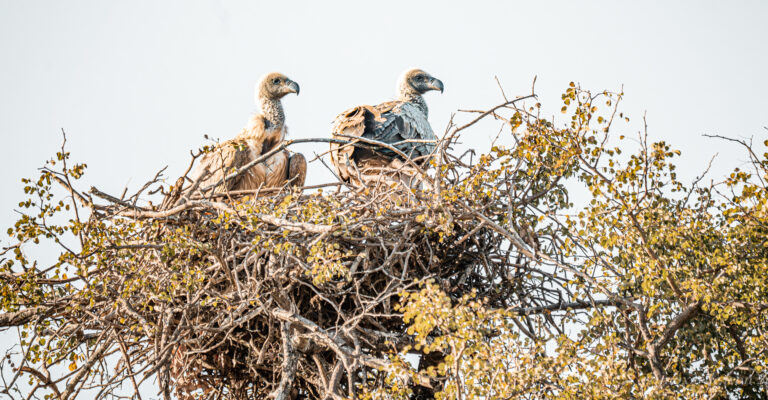
The diversity derives from a combination of things. We got the rivers – the Limpopo and the Luvuvhu – that provide the area with water. We got the pans along the floodplains that, in summer, go full of water and turn into a birder’s paradise. And then there is a very specific soil type, the sandveld, that is found nowhere else in the Kruger National Park than in the North. This causes a specific distribution of plants – like nice, mature mopane trees, which, again, attract certain bird species, like the racket-tailed roller.
The Makuele smell
And then there is the smell. Not just of the wild sage that is growing along the corner where you turn right towards camp, or the flowers of the woolly caper bush in spring. It is the “petrichor” of Makuleke. I learned this term from the camp’s head instructor. It basically means the smell of the earth, coming from the oils of plants and certain bacteria that live in the soil. The smell is strongest when the first rains come in or after a dry period. You might know this phenomenon from everywhere around the world, during summer rains. And depending on the area, the plants, and the soil, the smell is a little different. And nowhere else does it bring back so many memories as here, in Makuleke.
A historical site
To talk about the history of Makuleke would need its own article, but to say a little something about it: Many people have walked this piece of earth before. You’ll find proof of human existence quite a lot, like sharpened stones that have been used as tools or shards from clay pots. Some of the massive, ancient trees – landmarks of this area – hold so many stories and cultural richness. Like “Deku”, a baobab, that functioned as the traditional court and a place where property rights were discussed. Or a certain nyala tree in the area that was used as the Home Affairs office – people would come here and apply for ID books.
There is a lot of history, cultural depth, and indigenous knowledge embedded in this landscape, a deep connection of the people, all living beings, and the land, and it feels like an absolute privilege to be a visitor to this place.
The camp
I don’t need a lot when I go to the bush, and I certainly don’t mind sharing abolitions. BUT – I’m not gonna lie – it is great to have your own en-suite bathroom. And those tented rooms on wooden decks are just very spacious and comfortable.
So, if you ask yourself now how you can experience this little piece of paradise, there are several options. A trails course or a nature guide course if you have some time on your hands. Or you book one of the EcoQuests or a birding course. Just keep in mind: once you make your way to Makuleke, you will always want to come back. Well, come home.
A FGASA and CATHSSETA-qualified guiding course.
Immerse yourself in the African wilderness, expand your knowledge, and embark on a transformative learning experience with EcoTraining.
Sign up for one of our Career Courses today!
For more information on our Career Courses, contact [email protected] or call +27 (0)13 7522532
GoPro Student Perspective | Trails Guide course
Today we look through the eyes of EcoTraining Professional Field Guide students Denise Chopard and Elizabeth Fairall and how they experience their sleepout and 6-hour bush walk. In their quest to find the big-5 on foot, a series of adventures and loads of fun follows. Let us join in on the adventure!