A lot of people come to the bush, seeing their trip as their own personal adventure. A once-in-a-lifetime experience – something to tell stories about, to post about, and maybe even brag a little about (and that’s okay, I’m not judging).
But once we spend a little more time in the wild than the average safari tourist (who usually stays for just a couple of days), a new feeling begins to settle in. An unexpected layer that has not much to do with the incredible lion sighting, the adrenaline of watching a hunt, or the elephant encounter on foot.
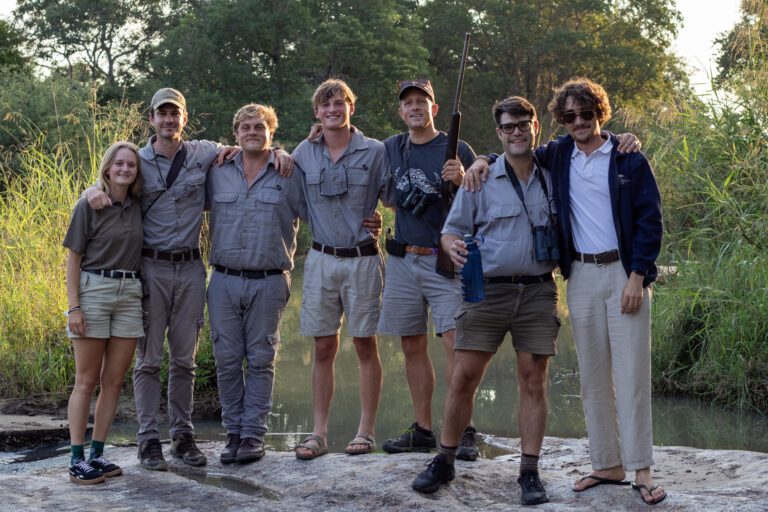
It comes up when we sit by the fire at night, gazing at the stars and sharing stories of the day with our fellow students. When we feel a connection through shared experiences and emotions – and the realisation that this invisible net, connecting us with each other and with all the living beings around us, plays a far bigger role in our safari ecosystem than we might have thought.
The bush teaches us that we need community, we need our tribe (even if it’s just to have someone to share the nerdy nature jokes with). Because it is within our DNA as humans to share stories, to support each other, to want to belong.
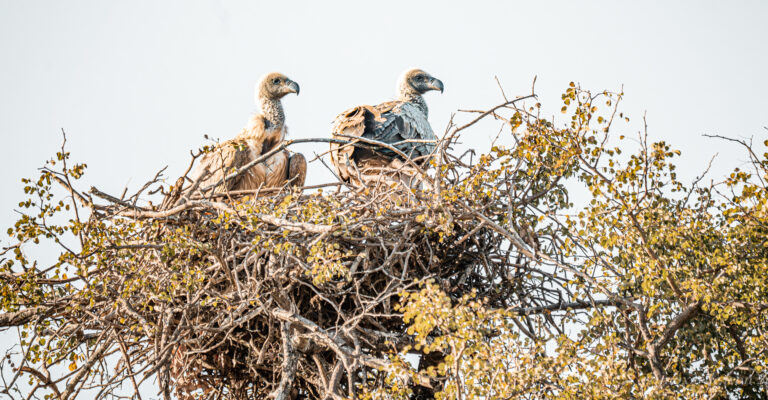
There are many different forms of community – ways of living together – in the bush, from matriarchies to harems, temporary associations to monogamous pairs, and solitary individuals who simply prefer their own company yet remain dependent on a stable system.
And this might make you wonder: What kind of community am I supposed to live in? Because we, as human beings, have a choice. Which is a great privilege, but one that also carries the weight of having options.
In theory, we can do life by ourselves. The modern world and its hyper-individualization have given us the tools for it. But why should we? Where is the joy in that?
Nature reminds us every day that, in practice, we are not made to be out here alone. That many ecosystems would literally collapse if it weren’t for a closely interwoven web of relationships and dependencies.
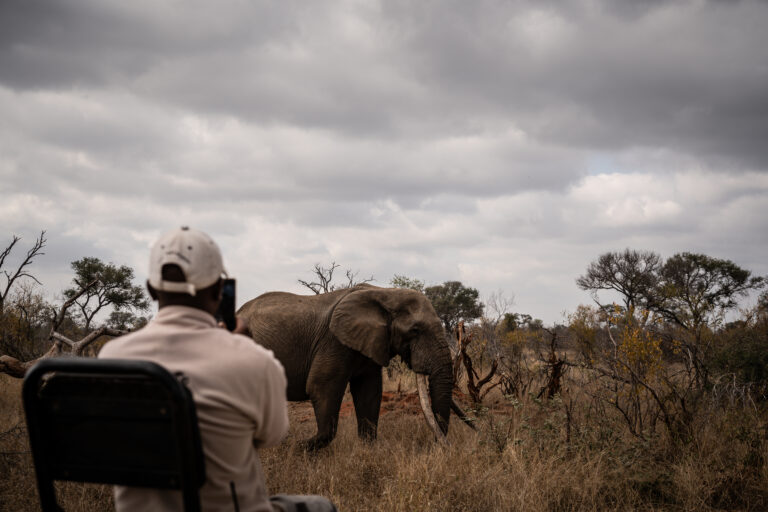
But community doesn’t just happen. A matriarch in an elephant herd is powerful, yes – but she cannot do it without all the aunties taking care of the babies, stepping up in difficult moments.
A lioness is strong on her own, yes – but she will never be as successful a hunter as when she is with her pride.
And don’t even get me started on the wild dogs. The way they hunt as a pack, care for wounded members, share their food, and co-parent their pups is simply extraordinary – and every single individual plays a significant part in it.
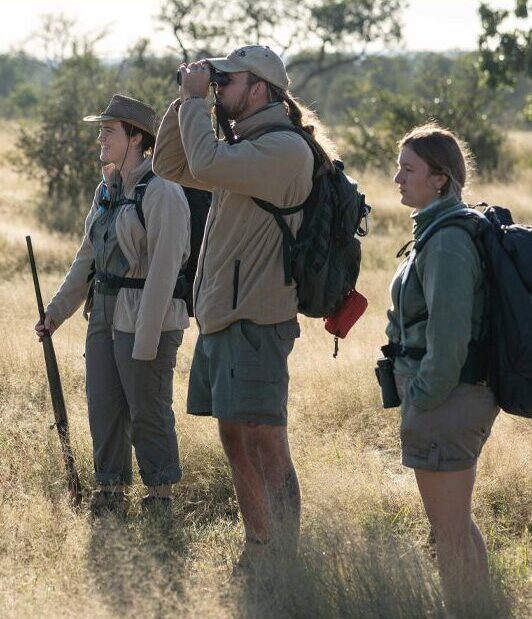
So what does this mean for us? It means we cannot wish for a strong community if we are not willing to do our part. Help a fellow student with their bird calls. Do the wake-up call in the morning. Carry someone’s backpack when they’re struggling. Show enthusiasm for other students’ game drives. Simply be present with each other. Because in the end, a community is only ever as strong as the willingness of each of its members to show up for the whole.
A FGASA and CATHSSETA-qualified guiding course.
Immerse yourself in the African wilderness, expand your knowledge, and embark on a transformative learning experience with EcoTraining.
Sign up for one of our Career Courses today!
For more information on our Career Courses, contact [email protected] or call +27 (0)13 7522532
Beyond the Classroom: EcoTraining's Unique Learning Experience
Can you feel it? In a world driven by relentless pursuit, are you finding happiness?
EcoTraining empowers people by fostering a deeper understanding of ecological systems and connecting them to what matters—creating an immersive learning experience and reconnecting them with nature.
Over three decades, EcoTraining has become the industry’s top training provider, providing expert training guides for top lodges and private concessions in Africa. Constantly pushing to be the global leader in environmental education to protect nature and wildlife. Authentic learning extends beyond classrooms; it thrives outside in nature and hands-on experiences and is supported by an interactive community.