A $2,000-per-night safari lodge promises exclusivity. A few days of tracking wildlife with an expert guide promises transformation. Guess which one today’s travellers are choosing?
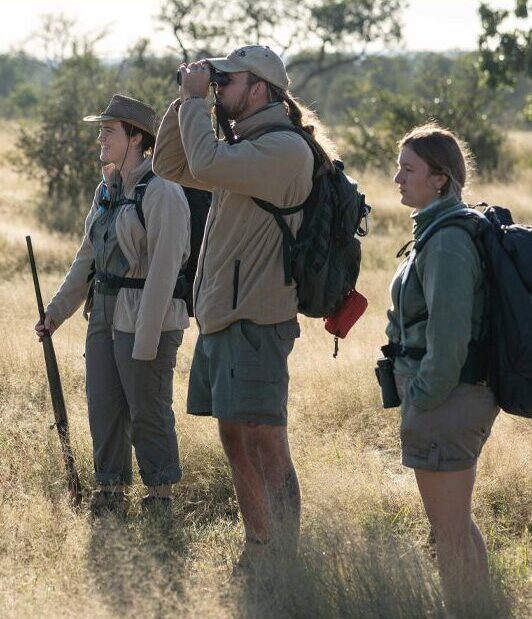
You’re three hours into a bush walk when your guide crouches beside fresh cat scat. She’s explaining territorial behaviour as her tracker scans the environment, and suddenly you realise this moment will stay with you forever – not the lodge and its amenities, but the smells, sounds and freedom of the bush.
Something fundamental has shifted in how travellers define luxury. While infinity pools and champagne sunsets haven’t disappeared, they’re no longer enough.
According to Skift’s 2026 Megatrends report, Africa is emerging as the next frontier of luxury travel. More significantly, it’s drawing a new generation of travellers seeking luxury that “emphasises authenticity over excess and connection over convention.”
For Anton Lategan, MD of EcoTraining, whose 7- or 14-day EcoQuests attract guests from around the world, a growing number of travellers are also looking for something that traditional luxury can’t deliver: time. In other words, time to learn, to grow, to be curious, and to connect with people and places in ways that change how you look at the world.
When time becomes the ultimate indulgence
“It was Elif Shafak who said, ‘We live in an age in which there is way too much information, but little knowledge and even less wisdom. We must change this ratio’,” says Lategan. “She’s right. You can Google ‘leopard behaviour’ in seconds, but understanding how to read tracks, interpret scat, and recognise territorial patterns requires something money usually can’t buy: unhurried expertise from someone who’s spent decades in the bush.”
This is where the new luxury lives. Not in exclusivity or insulation, but in depth of experience. Small groups spending days with guides who can answer the “why” and “how” questions that linger long after you’ve ticked off the Big 5. Multi-day experiences where you’re not rushing from sighting to sighting but slowing down enough to understand the ecosystem you’re moving through.
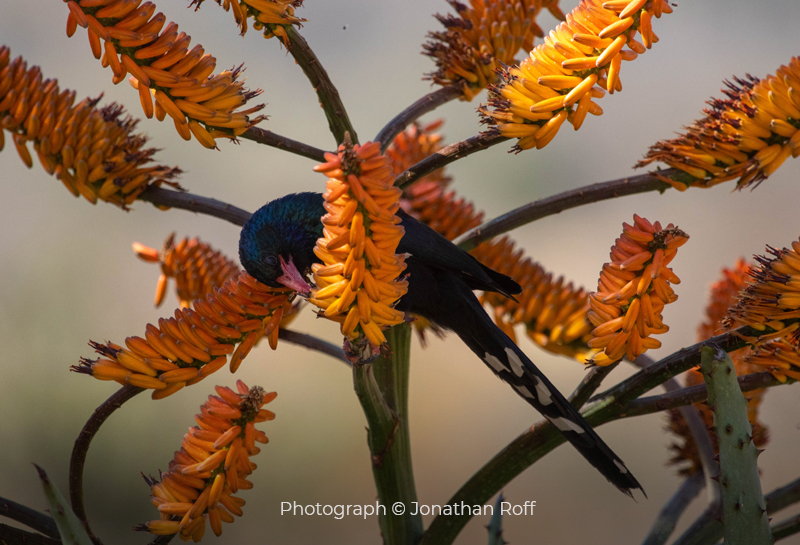
It’s the satisfaction of getting muddy, feeling tired and challenged – and coming away with actual knowledge. Learning to identify birds by call. Sharpening your photography skills. Sharing stories. And deepening your knowledge in the company of like-minded people from all corners of the globe.
Active participation over passive consumption
The shift represents a fundamental change in what travellers value. Traditional safari experiences often position visitors as observers – “look at the elephant” – while the new model invites active participation and a completely different perspective on our place in the universe.
As Lategan explains, the EcoQuest is an immersive experience which covers a range of topics, including ecology, trees and shrubs, animal tracks and tracking, bird identification and behaviour, animal behaviour, astronomy, orientation and navigation, bush skills and even photographic skills – and delivered in a way that allows you to switch off from the pressures and stressors of the “real world”. “And don’t we need that more than ever?” says Lategan.
Connection as currency
Perhaps most surprisingly, this new luxury is deeply social. Solo travellers find unexpected companionship with fellow guests. Families discover conversation topics beyond screens. Friends return from trips with shared reference points that become part of their vocabulary for years.
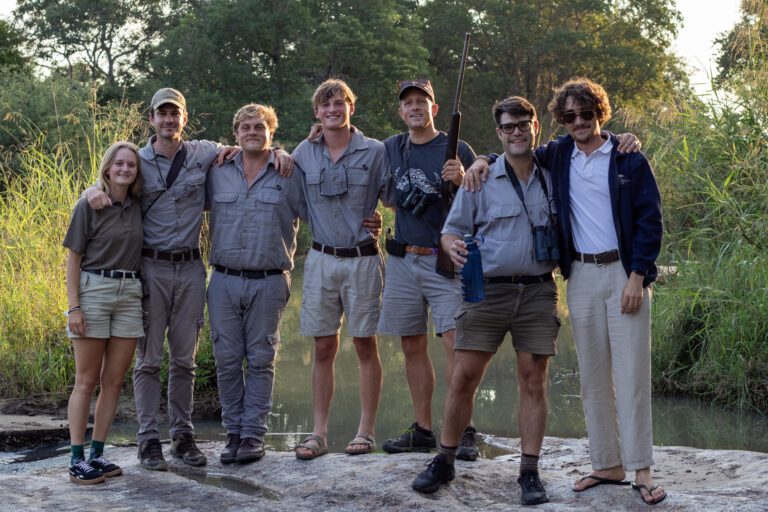
“When you’ve spent three days learning tracking techniques together, walking for hours through the bushveld, celebrating special sightings and photos captured, you’ve experienced something very different to traditional 5-star luxury,” says Lategan. “And this is true of the guides and guests – you will meet people you remember for the rest of your life.”
Purpose-led trips
Regenerative tourism – or the idea that your visit must leave a destination better than you found it – continues to grow in importance. As Forbes explains, today’s travellers want to support operators that promote biodiversity, support local economies, and foster cultural exchange and understanding. And it works both ways. Travellers become advocates.
“When you’ve spent days learning about habitat connectivity from rangers who patrol it daily, about human-wildlife conflict from communities navigating it, about anti-poaching strategies from teams implementing them, you care differently,” says Lategan. “You understand why conservation isn’t just about protecting animals but about supporting communities, creating livelihoods, and managing impossibly complex trade-offs. That depth of understanding – the kind that only comes from time and expert guidance – makes a real difference.”
Lategan likes to say that the best lessons are learned with mud on your boots. Or around the boma. Or in the kitchen.
“EcoQuest is just one example. But travellers are looking for all sorts of adventures, literary, culinary or cultural. It’s the kind of luxury that stays with you long after the trip ends. Not because you were served flawlessly, but because you were taught generously. The new luxury isn’t about having more – it’s about learning more, feeling more, connecting more.”
It’s good news for Africa, because we have the goods – and the guides – in abundance.
Immerse yourself in the African wilderness, expand your knowledge, and embark on a transformative learning experience with EcoTraining.
Sign up for the 7/14-day EcoTracker Course today!
For more information on the 7/14-day EcoTracker Course, contact [email protected] or call +27 (0)13 7522532
Tracking is like playing a guitar | EcoTraining Course
Norman Chauke discusses experiencing the relationship between a tracker and an animal. He describes it as a melody being played on a guitar. The animal holds one part of the string while the tracker holds the other part. The way the tracking unfolds continuously changes the tone of the melody.