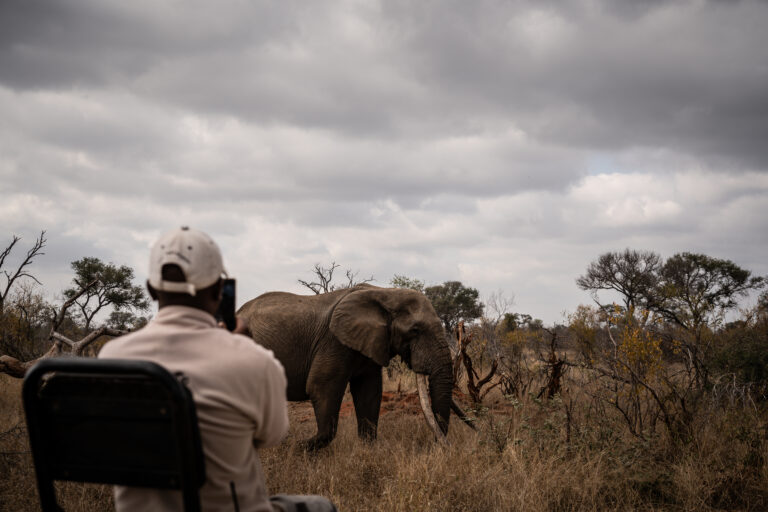
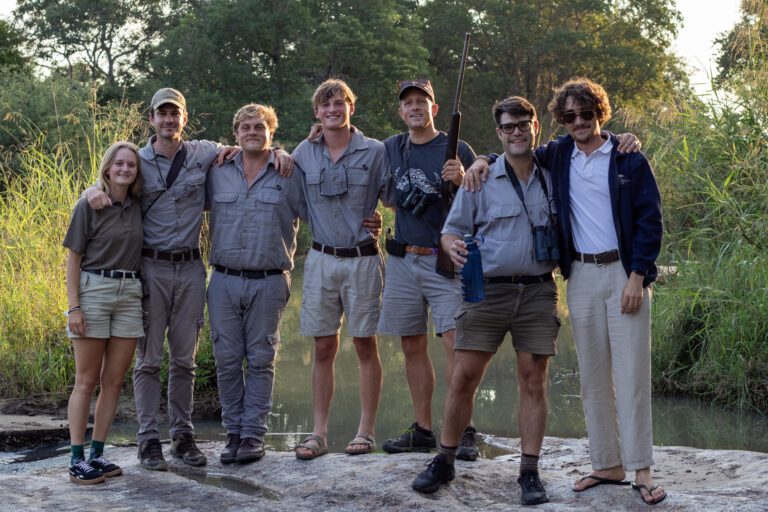
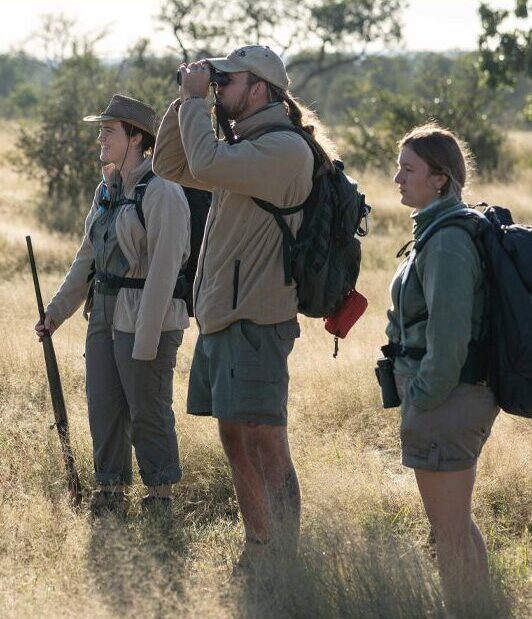
At first light on a Limpopo floodplain, a small team scans the terrain as the wind ripples through the grass, tracking subtle signs and mapping out a safe path forward. They’re navigating uncertainty, analysing incomplete data, communicating with precision, and making high-stakes decisions. It may be conservation work, but it reads like a hands-on management training programme.
Many South African families continue to believe that the safest path to a successful future is a traditional one: complete school and head straight to university. However, the evidence increasingly shows that a modern CV isn’t built solely in lecture halls. Today’s employers look for qualities like sound judgment under pressure, teamwork, resilience, and the ability to learn quickly – traits that are often more visible in real-world experiences than on academic transcripts.
A meaningful gap year is a purposeful pause – a time when young adults step beyond their comfort zones, navigating real-world challenges they can’t curate or control. They return not just with stories, but with experiences that translate into valuable skills and strengths. For parents concerned about their children “falling behind,” it’s worth considering the opposite: a transformative year filled with growth, where maturity is fast-tracked and a portfolio of thoughtful, real-life decisions begins to take shape.
The Field as the New Classroom for Real-World Learning
What, then, separates the graduates who thrive from those who flounder? Increasingly, rather than the theory in their heads, it’s the lessons they’ve internalised in unpredictable, unfiltered environments. The field, whether it’s the African bush or a hands-on internship, requires situational judgment, leadership when roles aren’t assigned, and calm when plans unravel.
Studies from Australia, the UK, and the US have found that gap year students consistently outperform their peers academically after entering university, with the greatest impact seen in students who may not have excelled in high school. In the Gap Year Association’s 2020 alumni survey, 98% of participants reported increased maturity, 97% greater self-confidence, and more than 80% said their year out gave them a competitive edge when applying for jobs or university placements.
Experiential environments also build the very skills most prized by 21st-century employers: teamwork, clear communication, crisis management, and authentic cross-cultural understanding.
“A meaningful gap year is a prototype. You test hypotheses about who you are, not in curated situations, but in the raw field where you can’t just opt out. These are the moments that lay the foundation of a person’s potential for a lifetime,” Lategan explains.
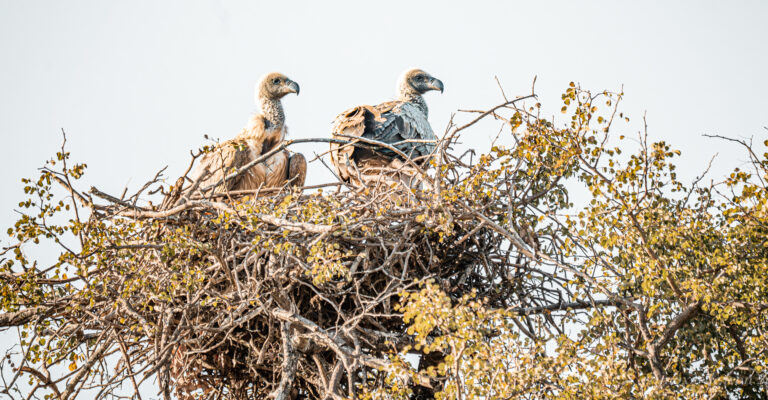
The African wilderness, with its unfenced boundaries and unpredictable dynamics, offers a particularly vivid training ground. In this environment, the stakes are real: safety protocols must be followed, communication must be precise, and accountability is immediate. Whether involved in conservation efforts or leading international guests, students in these environments develop a kind of leadership that can’t be learned in a classroom.
Sabbaticals and Mini-Retirements
The appetite for rich, purposeful rest isn’t limited to those just finishing school. Modern sabbaticals are increasingly woven into the fabric of lifelong careers. Gen-Z, in particular, has embraced the concept of “mini-retirements”. These are essentially intentional pauses taken every few years to pursue passion projects or travel. Studies suggest as many as 64% of Gen-Z plan to take extended breaks throughout their careers.
These interludes are deliberate recalibrations. Evidence shows that nearly 90% of Gen-Zers who have taken such breaks report a positive impact, citing improved well-being and readiness to tackle new challenges. Rather than derailing a career, these sabbaticals often fine-tune one’s ambitions and recharge motivation.
For both recent school leavers and experienced professionals, time spent in unfamiliar, dynamic environments – tackling real-world challenges firsthand – has the power to reshape the course of personal and professional development. These experiences don’t just build skills; they foster self-awareness, resilience, and adaptability – qualities essential for a future-ready workforce.
About EcoTraining
For over 30 years, EcoTraining has offered immersive field guide and wildlife training in some of Africa’s most iconic wild spaces. Students live and learn in unfenced, nature-based camps across South Africa, Botswana, and Kenya, gaining practical skills and ecological understanding through real-world experience. Whether pursuing a career, taking a gap year, or seeking personal growth, learners leave with lasting knowledge and a strong conservation mindset. Programmes include accredited guide training, short courses, online learning, and international study experiences.
A FGASA and CATHSSETA-qualified guiding course.
Immerse yourself in the African wilderness, expand your knowledge, and embark on a transformative learning experience with EcoTraining.
Sign up for one of our Career Courses today!
For more information on our Career Courses, contact [email protected] or call +27 (0)13 7522532
Off to a Great Start in a Rewarding Career
In this video, we meet Hayden Cole, who did his Professional Field Guide course and loved being in the bush. His year with EcoTraining has been a great stepping stone in his life. He accomplished what he had wanted to do since childhood, and it also allowed him to start a career he was happy with. The highlight of Hayden’s time on the course was undoubtedly the ‘amazing’ people he met, from the EcoTraining Instructors to his fellow students. He believes you can learn something from everyone by being passionate about learning and teaching.