How? Well, have you ever seen an Elephant swim?
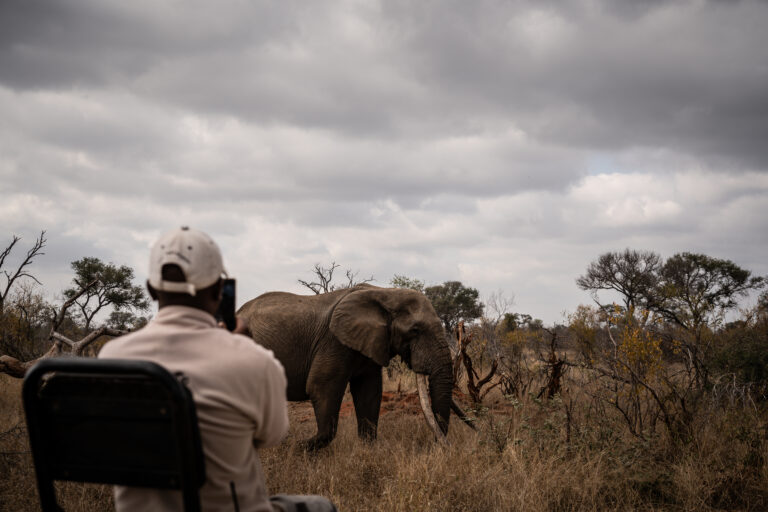
First, you see something moving out of the corner of your eye and you smile when you realize that elephants are nearby. You sit quietly by the dam, not daring to move, hoping that they will come fully into view. Next you see them silently running to the waterhole, it’s a race and the victor always looks incredibly pleased with him/herself. They pause, take a drink and start splashing themselves with the water. And then the magic happens.


Like us, Elephants love swimming and there is nothing more entertaining than to watch a herd of them frolicking in the water. Watching these gentle giants playing, splashing about in the water is a treat not to be missed. It’s amazing to watch them interact with each other. They love to touch each other with their trunks, to do some acrobatics and climb on to the backs of other members of the herd and to play fight with one another. They always look like that they are having so much fun that it is sometime are not to want to join them except for the fact that we are never invited to the party.
You would think that with their massive bodies that they wouldn’t be able to swim much less dive under the water, but they are surprisingly buoyant which means that swimming comes easily to them. One minute an elephant is there and the next minute it has disappeared. If you look closely at the water, you should be able to see part of the elephant’s trunk peeking out above the waterline essentially acting as a snorkel enabling them to breathe and stay under water for what seems like an eternity.
They slowly make their way out of the water and proceed to shower themselves with dust and mud. This is a feast for the eyes as the elephants slowly change colour – from grey to a rusty brown. If you look at some of the trees around the dam you will notice that they are covered in mud or bent in a peculiar angle. These trees are an elephants favorite scratching post, after all when you have an itch or a few pesky ticks are bothering you, what better way to get rid of them than to scratch.
When thy are done the elephants quietly slip away back into the bush, on the look out for food to fuel their enormous body’s. We are left smiling and with some great images/ videos to remember the event.
Instructor Sean Matthewson managed to get some great footage in front of EcoTraining Pridelands Camp of the ellies having a whale of a time. Seeing as though you cannot get into the bush, we thought we would bring the bush to you. Watch it here on EcoTraining TV.